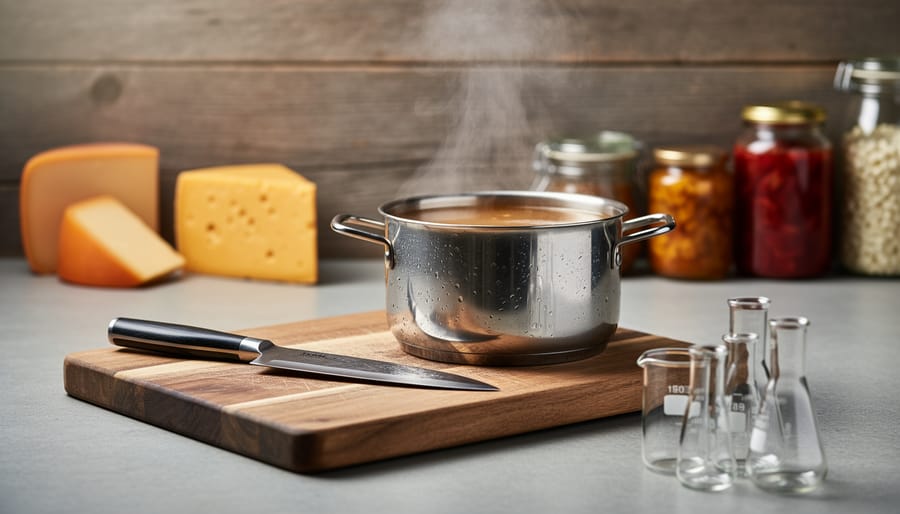

Let’s address this directly: if you’re searching for information to buy peptides in bulk for culinary purposes, you’ve arrived at the wrong destination. Wholesale research peptides are laboratory-grade compounds designed exclusively for scientific study, not for human consumption or use in any kitchen, restaurant, or food preparation setting. These synthetic amino acid chains carry no approval from Health Canada for culinary application, and attempting to incorporate them into food represents both a serious safety violation and a fundamental misunderstanding of what belongs in Canadian cuisine.
This confusion, however, opens an important conversation about the legitimate role of naturally occurring peptides in cooking. Professional chefs and food scientists have long understood that peptides form naturally during traditional culinary processes like fermentation, aging, and slow cooking. When you taste the umami depth of a well-aged Quebec cheddar or the complex savory notes in bone broth simmered for hours, you’re experiencing peptides created through proper food preparation, not laboratory synthesis.
The distinction matters profoundly. Canadian food safety regulations exist to protect both consumers and the integrity of our culinary traditions. While research-grade compounds serve vital purposes in scientific laboratories, they have no place in kitchens or on dining tables. The peptides that enhance flavor in legitimate cooking emerge from quality ingredients, time-honored techniques, and the skilled hands of chefs who understand how proteins break down during properly executed recipes.
This article clarifies the line between scientific research materials and authentic culinary ingredients, explores how natural peptides develop in traditional Canadian dishes, and celebrates the safe, delicious methods that define our nation’s food culture.
The Confusion Between Culinary Peptides and Research Compounds
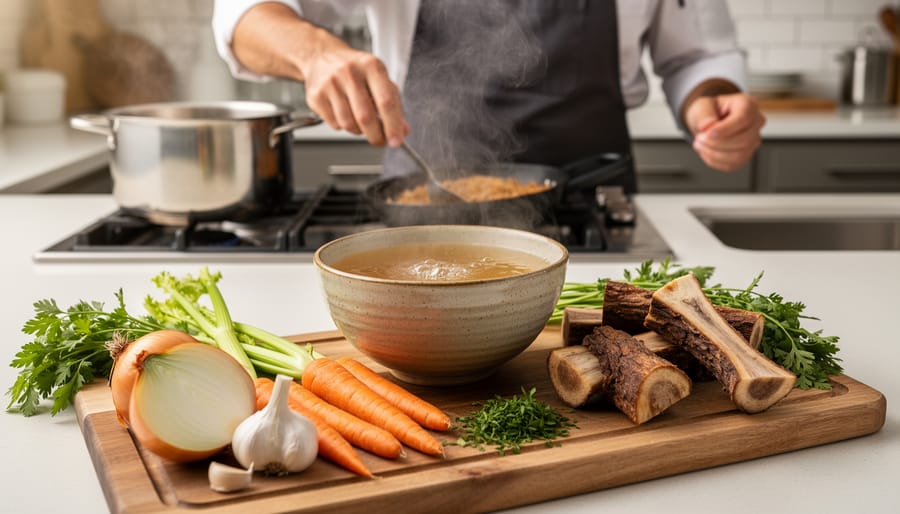
The word “peptide” appears so often in trendy wellness circles that it’s easy to forget what it actually means, and more importantly, where it naturally belongs. In the simplest terms, peptides are short chains of amino acids, the building blocks of proteins. When you cook, age, or ferment food, naturally occurring enzymes break down larger proteins into these smaller peptides, which contribute to flavour, texture, and digestibility. This happens in your grandmother’s kitchen when she simmers bone broth for hours, in Quebec’s fromageries where cheese develops complex character over months, and in the smokehouses of the Maritimes where fish undergoes traditional curing. These are culinary peptides, the result of time-tested food preparation methods that transform ingredients through natural biological processes.
Research peptides, by contrast, are laboratory-synthesized or isolated compounds designed for scientific investigation. They’re produced under controlled conditions for experimental purposes, not for consumption. The designation “research grade” or “wholesale research peptides” specifically indicates substances intended for laboratory work, not culinary use. These compounds lack the regulatory approval, safety testing, and quality standards required for ingredients that touch your plate.
- Culinary Peptides
- Naturally occurring amino acid chains formed when proteins break down during cooking, fermentation, aging, or enzymatic action in traditional food preparation. These develop organically in aged Gruyère, simmered pho broth, cured bison jerky, and sourdough bread.
- Research Peptides
- Laboratory-synthesized or isolated compounds produced for scientific experimentation and study, explicitly labeled “not for human consumption.” These fall outside Health Canada’s approved food ingredients and have no place in culinary applications.
- Enzymatic Breakdown
- The natural process where enzymes, either present in the food itself or introduced through fermentation cultures, cleave protein chains into smaller peptides and amino acids. This is how cheese develops nutty depth and bone broth becomes rich with collagen-derived peptides.
The confusion arises because both share the same chemical classification, but their origins, purposes, and safety profiles couldn’t be more different. When a Canadian chef talks about building peptides through koji fermentation or extended broth reduction, they’re harnessing natural biological processes that humans have refined over millennia. When someone discusses wholesale research peptides, they’re referencing laboratory compounds that have no history of safe culinary use and no regulatory approval for food applications. The chemical similarity ends at the molecular structure, the context, safety, and legitimacy are worlds apart.
Canada’s Approach to Food Safety and Unapproved Substances
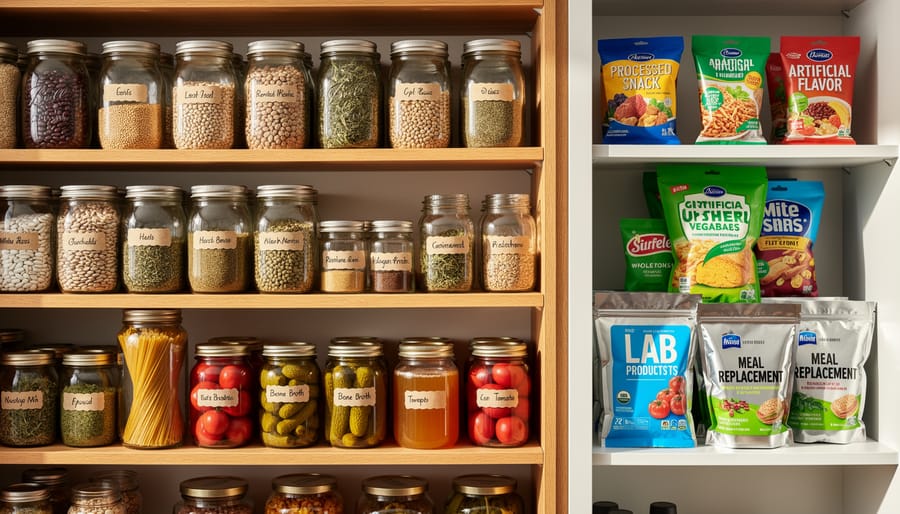
Canada takes food safety seriously, and the regulatory framework reflects a philosophy built on caution, transparency, and consumer protection. Health Canada maintains a detailed list of approved food additives, substances that have undergone rigorous safety assessment before they can legally appear in products Canadians eat. Research peptides, those compounds synthesized for laboratory experiments, don’t appear on this list. They exist in a regulatory grey zone where they’re explicitly sold “not for human consumption,” which means introducing them into food crosses a clear legal and ethical boundary.
The Canadian Food Inspection Agency works alongside Health Canada to ensure that what reaches dinner tables meets strict standards. Their mandate covers everything from ingredient sourcing to labeling accuracy, and they take particular interest in substances marketed with health claims or scientific-sounding names that might confuse consumers. Understanding how food additives are regulated reveals just how thorough the approval process is, manufacturers must demonstrate safety through extensive testing, provide evidence of necessity, and prove their substance serves a legitimate culinary function.
This approach protects Canadians from well-meaning but potentially dangerous experimentation. A peptide that’s safe in a controlled laboratory setting, handled by trained researchers wearing gloves and following protocols, doesn’t automatically become safe when someone stirs it into a smoothie or sprinkles it over food. The testing hasn’t been done. The interactions with cooking heat, stomach acid, other ingredients, and individual metabolisms remain unknown.
Canadian food labeling laws require that ingredient lists be accurate and not misleading which means any establishment using unapproved substances faces legal consequences. This isn’t bureaucratic overreach, it’s a commitment to keeping food genuine, traceable, and safe. Restaurants and food producers who respect these boundaries earn trust. Those who don’t risk both their customers’ health and their own reputations.
What Canadian Chefs Actually Use: Legitimate Flavor and Nutrition Enhancers
Traditional Canadian Techniques That Build Flavor Complexity
Canada’s culinary heritage offers centuries of wisdom in coaxing complex flavors from simple ingredients through patient, purposeful techniques. Long before anyone discussed peptides in scientific terms, indigenous communities across the country mastered preservation methods that transformed fresh foods into deeply flavorful staples. Smoking salmon over alder wood, fermenting fish, and drying caribou created concentrated umami profiles through the natural breakdown of proteins, exactly the peptide development modern science now explains. These methods weren’t shortcuts or laboratory experiments; they were survival strategies that became cultural touchstones, producing foods with remarkable depth and nutrition.
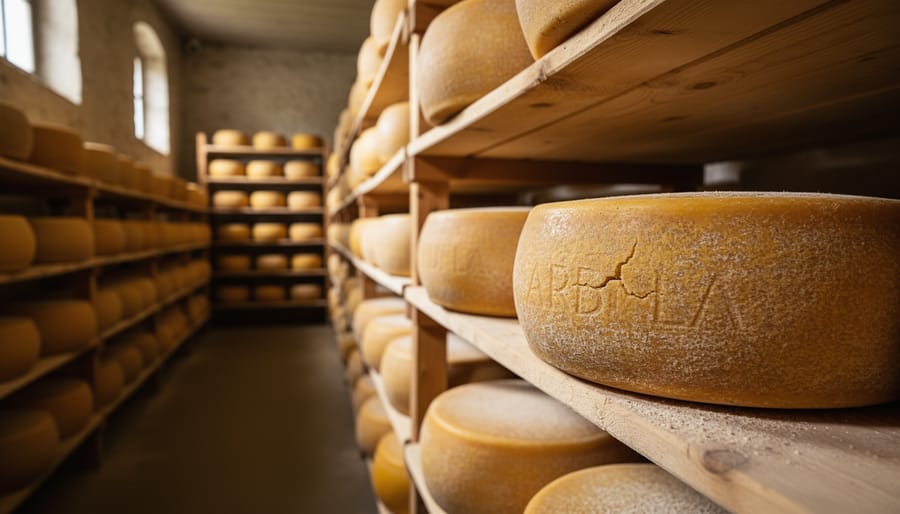
Quebec’s fromageries demonstrate how time and controlled conditions unlock flavor locked within milk proteins. Traditional raw-milk cheeses aged in carefully monitored caves develop their characteristic tangy complexity as enzymes and beneficial bacteria gradually break down casein into smaller peptide chains and amino acids. This patient transformation, sometimes spanning years, creates the crystalline texture and intense savour that distinguish Quebec’s finest cheeses from mass-produced alternatives.
Prairie provinces maintain another meat curing tradition rooted in European immigrant knowledge adapted to Canadian conditions. Dry-curing bison, elk, and heritage pork breeds through salt, time, and ambient humidity naturally concentrates flavors while beneficial enzymatic activity develops peptides that contribute to characteristic taste profiles. These regional practices prove that authentic flavor complexity requires nothing more than quality ingredients, environmental understanding, and patience, no laboratory compounds necessary.
Modern Culinary Innovation Within Safe Boundaries
Contemporary Canadian chefs are pushing flavor boundaries through innovative techniques that stay firmly within food safety regulations. Rather than turning to unapproved substances, they’re rediscovering ancient ingredients and modern culinary science to create remarkable depth and complexity.
Koji cultivation has gained significant traction in Canadian kitchens. This Aspergillus oryzae mold, used for centuries in Japanese cuisine, breaks down proteins and starches into flavorful compounds naturally. Chefs across Vancouver, Toronto, and Montreal now maintain koji rooms, applying these enzymes to Canadian ingredients like barley, quinoa, and even bison to develop umami-rich profiles that would traditionally require years of aging.
Controlled fermentation represents another frontier. Using precise temperature and humidity controls, chefs ferment everything from Ontario garlic to British Columbia dulse, creating ingredient libraries with concentrated, complex flavors. These processes naturally generate beneficial peptides through microbial action, the same chemistry behind traditional methods, just with modern precision.
Enzymatic preparations approved by Health Canada, like transglutaminase and certain proteases, allow texture modifications and flavor development that were previously impossible. A Halifax chef might use these to bind seafood terrines that showcase Maritime catch, while a Prairie restaurant creates tender bison preparations that honor the ingredient’s integrity.
These innovations share a common thread: they work with natural biological processes using approved substances, creating genuine culinary advancement without compromising safety or authenticity.
The Real Sources of Beneficial Peptides in Canadian Cuisine
Canada’s culinary landscape offers an abundance of foods naturally rich in beneficial peptides, developed through traditional processes that have nourished communities for generations. These authentic sources don’t require laboratory intervention, they emerge from time-tested techniques that break down proteins into smaller, bioavailable compounds.
Bone broths represent perhaps the most concentrated source of culinary peptides in Canadian cooking. Simmering bones from grass-fed beef, bison, or caribou for twelve to twenty-four hours releases collagen peptides that have supported joint health and digestive wellness in northern communities for centuries. Quebec’s pot-au-feu and Métis bone soup traditions demonstrate how slow extraction creates both nourishment and profound flavor.
- Aged cheddar from Quebec’s Eastern Townships, where 18-36 month aging naturally develops peptides alongside complex flavor
- Pacific salmon, particularly when traditionally smoked or fermented, rich in bioactive peptides that support cardiovascular health
- Bone broths made from pastured animals, following indigenous techniques that extract maximum nutrition
- Fermented vegetables like Quebec pickles and Prairie sauerkraut, where beneficial bacteria create peptide compounds
- Sourdough bread from heritage Canadian wheat varieties, with fermentation breaking down gluten into more digestible peptides
- Traditional indigenous preparations including pemmican and dried fish, where controlled preservation naturally develops peptides
Wild-caught fish from Canadian waters, Arctic char, Atlantic cod, Pacific halibut, contain peptides that become more concentrated through traditional smoking and drying methods. Indigenous communities developed these preservation techniques long before science understood the peptide transformation occurring during the process.
Fermented foods showcase peptide development at its most dynamic. Quebec’s cheese-aging cellars transform simple milk proteins into complex peptide profiles that contribute to the province’s renowned dairy character. Fermented flavors in traditional preparations like fish sauce alternatives and vegetable ferments create umami depth while naturally producing beneficial compounds.
Heritage grains grown on the Prairies, Red Fife wheat, spelt, and ancient varieties, develop different peptide profiles during fermentation compared to modern cultivars. When these grains undergo proper sourdough fermentation, the process breaks down proteins into more digestible peptides while preserving minerals and creating distinctive flavor.
These authentic sources connect modern Canadian kitchens to ancestral wisdom about food preparation. They require no laboratory ordering, carry no regulatory concerns, and integrate seamlessly into cooking traditions that have sustained communities across this country’s diverse regions.
Protecting Canadian Food Culture from Questionable Trends
Canada’s food system has earned its reputation through generations of careful stewardship, transparent regulation, and respect for both tradition and science. When wellness trends blur the boundary between legitimate ingredients and laboratory compounds, they threaten the foundation of trust that connects farmers, producers, chefs, and consumers across this country.
The appeal of quick fixes and performance-enhancing substances can make research peptides seem tempting to those seeking nutritional shortcuts. But introducing unapproved laboratory compounds into kitchens undermines the rigorous standards that protect Canadians. Our food culture thrives precisely because it values trustworthy sourcing documented provenance, and ingredients that have proven themselves safe through both traditional use and modern testing.
Traditional knowledge offers something research peptides never can: centuries of observation, refinement, and community validation. Indigenous preservation methods, Quebec’s fromagerie expertise, and Prairie curing traditions weren’t developed in laboratories but through careful attention to how foods transform over time. These practices create genuine nutritional benefits while maintaining cultural continuity and regulatory compliance.
The challenge for Canadian food culture isn’t rejecting innovation, it’s distinguishing between legitimate advancement and reckless experimentation. When chefs use approved enzymatic preparations or controlled fermentation, they’re building on established safety frameworks. When someone imports wholesale research peptides for kitchen use, they’re bypassing every protection our food system provides.
Preserving culinary integrity means staying skeptical of trends that promise extraordinary results through unregulated substances. It means trusting that the slow work of proper aging, fermentation, and traditional technique delivers flavour and nutrition that shortcuts never will. Canada’s food culture deserves protection from those who would compromise its safety for profit or perceived wellness gains.
Canadian cuisine has always drawn its strength from authenticity, from the smokehouses of coastal communities to the fromageries of Quebec, from indigenous preservation techniques passed down through generations to the regulated innovation happening in modern culinary laboratories. This foundation isn’t just about tradition for tradition’s sake; it’s about trust, safety, and the integrity that makes our food culture something worth celebrating and protecting.
The temptation to seek shortcuts through unregulated substances like wholesale research peptides misunderstands what makes food genuinely nourishing and delicious. Real flavor complexity comes from time, skill, and proper ingredients, the slow simmer of bone broth, the patient aging of cheese, the careful fermentation of vegetables. These processes don’t just create beneficial peptides; they create food with stories, with cultural significance, with safety standards that protect everyone who sits down to eat.
When you encounter wellness trends promoting research compounds for culinary use, remember that Canada’s food regulations exist to safeguard your health and maintain the quality standards our cuisine is known for. Trust the chefs who work within these boundaries, respect the traditional knowledge that has sustained communities for centuries, and choose ingredients that come with transparency and approval rather than laboratory labels.
The future of Canadian food culture depends on our collective commitment to these principles. Let’s continue building on legitimate traditions, embracing regulated innovation, and keeping our kitchens spaces where authentic nourishment happens, not laboratories for unproven experiments.


Leave a Reply